


Ever wondered what really goes on behind the scenes of modern software systems? Most platforms look simple on the surface, but the real story lies in their architecture, workflows, and hidden layers. That is exactly where understanding how mogothrow77 software is built becomes interesting.
This software is often described as a mix of modular architecture, microservices, and cloud infrastructure working together. Each part handles a specific task, from API communication to data processing. The goal is simple: better scalability, faster performance, and strong security.
But here is the catch. Much of the available information is scattered or unclear. That makes it important to break down the mogothrow77 system design step by step, using real software principles, not assumptions.
What Mogothrow77 Software Actually Is?
Understanding this system starts with removing confusion. Many sources describe it differently, so a clear view helps. Instead of guessing, it is better to look at how similar modern platforms are structured and operated.
A Modern Software Ecosystem
Mogothrow77 appears to function as a software ecosystem rather than a single tool. It likely combines multiple services into one modular system, where each part handles a specific role. This setup improves scalability, keeps performance stable, and allows smoother updates without breaking the entire application framework.
What Is Confirmed vs Assumed
Some elements are commonly mentioned but not officially verified. For example:
- Confirmed patterns include API communication, cloud infrastructure, and structured data flow
- Assumed layers involve advanced automation and internal optimization logic
This mix makes it important to separate facts from likely implementation details while analyzing how it works.
Core Architecture Behind Mogothrow77 Software
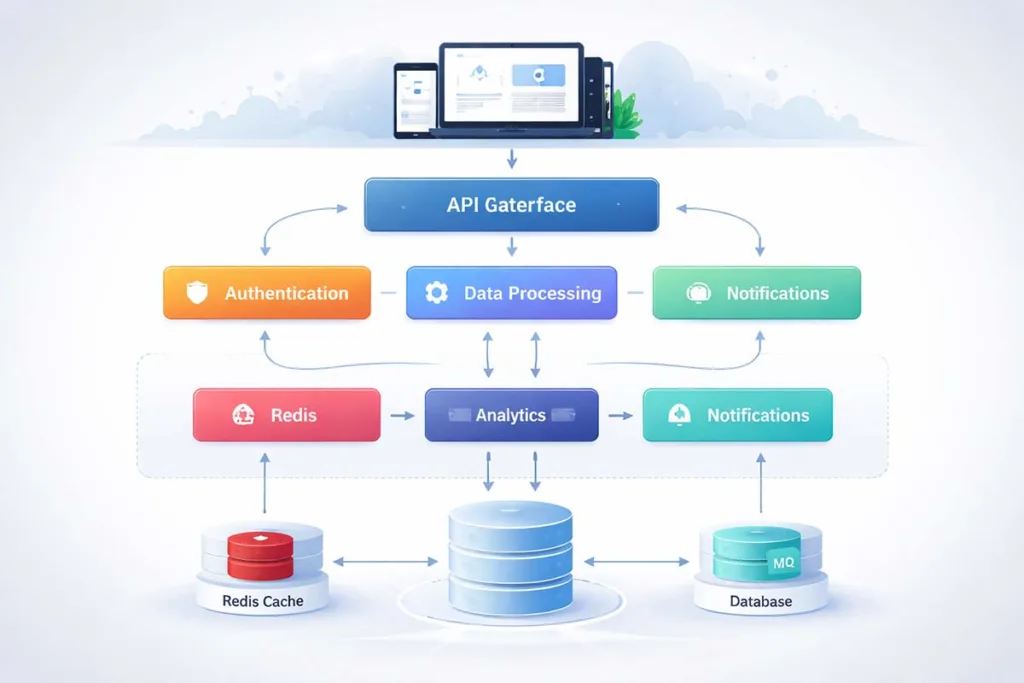
To understand the real strength of this system, you need to look at its structure. The architecture decides how fast, stable, and scalable everything becomes. This is where most modern platforms either succeed or fail.
Modular Architecture and Service Design
Mogothrow77 is best understood through a modular architecture approach. Instead of one large system, it likely uses smaller units connected through microservices. Each service handles a specific function, such as authentication, data handling, or reporting.
There are two common models here:
- Monolith: simple but harder to scale
- Microservices: flexible with better fault isolation
Most signals suggest a shift toward microservices due to better scalability and easier updates.
How System Components Interact?
The system follows a logical flow that keeps everything organized and efficient. A typical interaction looks like this:
- User action through the frontend interface
- Request sent via APIs
- Process handled by backend services
- Data stored or retrieved from the database system
This setup relies on API communication, containerization, and strong cloud infrastructure. It ensures smooth request handling, faster responses, and consistent performance under load.
Frontend and Backend Technologies Used
Technology choices shape how any software performs in real situations. The right stack improves speed, stability, and long-term scalability. Mogothrow77 appears to rely on a mixed stack rather than a single language approach.
Frontend Technologies and User Experience
The frontend focuses on delivering a smooth user interface and responsive user experience. Modern frameworks like React and Next.js are often used to handle dynamic pages and fast rendering. Styling tools such as Tailwind CSS help maintain consistent design without slowing performance.
This layer manages:
- Visual layout and navigation
- Real time updates
- Fast request handling from users
A strong frontend ensures users interact with the system without delays or confusion.
Backend Technologies and Server Logic
On the backend, performance and flexibility matter more. Languages like Python, Go, Rust, and Node.js are typically used for handling heavy processing and server side logic. TypeScript helps maintain clean and predictable code, especially in API layers.
These technologies support:
- Data processing and business logic
- Secure API development
- Efficient resource management
This combination allows the system to balance speed, reliability, and long term scalability.
Database, Caching, and Data Flow System
Behind every smooth application, there is a strong data system working quietly. This layer controls how information moves, how fast it loads, and how reliably it is stored. Mogothrow77 likely follows a structured approach to keep everything efficient.
Database Systems and Storage
The core of the system depends on a reliable database system like PostgreSQL. It handles structured data storage such as user records, transactions, and system logs. This type of setup ensures accuracy, consistency, and easier querying when data grows over time.
Caching for Speed and Performance
To reduce delays, a caching layer such as Redis is often used. It stores frequently accessed data in memory, improving performance optimization and reducing load on the main database. This helps maintain fast response times during high traffic.
How Data Flows Through the System?
The process is simple but effective:
- User request enters the system
- Backend processes the request
- Data is fetched or updated
- Response is returned instantly
This flow supports real-time processing and smooth user interaction.
How Mogothrow77 Software Installation Works?
Installation is not just about setup. It reflects how the system is packaged and deployed. Understanding how is mogothrow77 software installation works gives insight into its overall structure.
Deployment Ready Environment
Instead of traditional installs, the system likely uses containerization tools like Docker. This ensures the same environment across development and production. It reduces conflicts and improves configuration consistency.
Simple Setup and Execution
The process usually follows a clean path:
- Pull container image
- Apply environment configuration
- Start services through orchestration
This approach supports faster deployment setup, better portability, and fewer errors during installation across different systems.
Development Workflow and Build Process
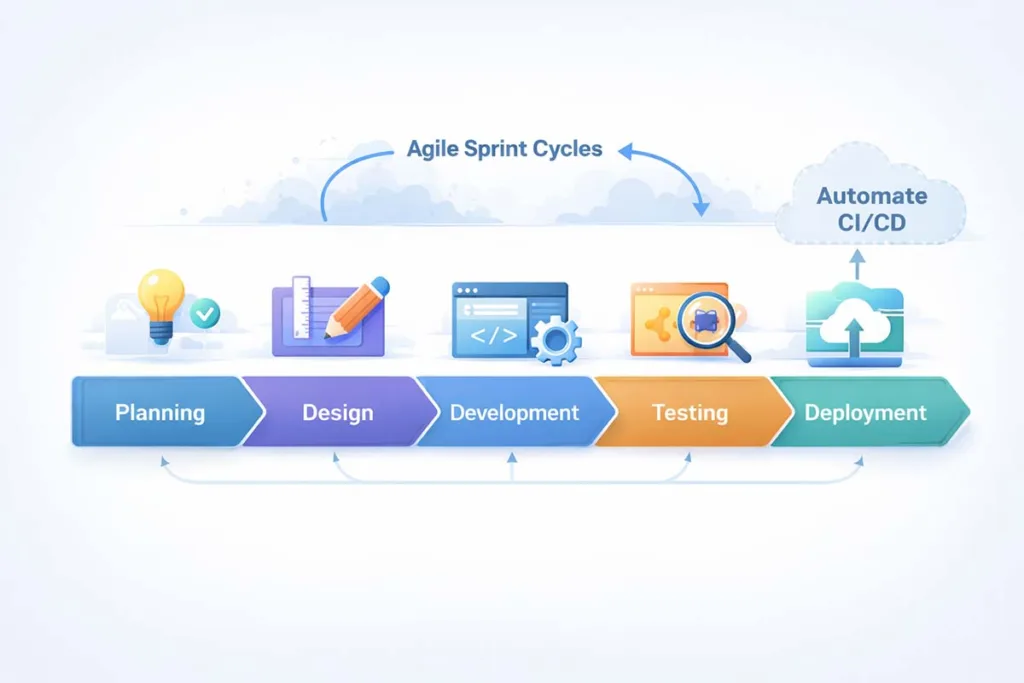
This is where the real work happens. A strong development workflow ensures the system evolves without breaking. It also keeps updates fast, stable, and predictable.
Step by Step Build Lifecycle
The process usually follows a structured path from idea to release. Each phase adds value and reduces risk.
- Planning and requirement analysis
- Design and prototyping
- Core development and integration
- Testing and validation
- Final deployment
This cycle repeats in short sprint cycles, often around two-week sprints, allowing continuous improvement and faster delivery.
Agile Practices and Iteration
Teams rely on agile methodology to stay flexible. Regular updates, quick feedback, and small releases help maintain quality. Daily sync meetings, often 15-minute standups, keep everyone aligned and focused.
This approach improves automation, reduces delays, and ensures better coordination across teams.
CI CD Pipeline and Automation
A strong CI CD pipeline automates the entire build pipeline. Code changes trigger automatic testing, security checks, and deployment steps.
This reduces human errors and speeds up releases. In some cases, updates move from commit to deployment within minutes, improving efficiency and system reliability.
Testing, QA, and Reliability Systems
Building software is only half the job. Ensuring it works under pressure is what really matters. This is where strong quality assurance and reliability systems come into play.
Types of Testing Used
Different layers of testing help catch issues early and improve overall stability.
- Unit testing checks small code components
- Integration testing ensures services work together
- Edge case testing focuses on rare but critical scenarios
In many systems, nearly 72 percent of testing targets these edge cases to prevent unexpected failures.
Validation and Environment Control
Before release, everything goes through strict validation. Changes are tested in a staging environment before moving to production environments. This reduces risks and improves bug detection.
Strong testing practices ensure the system stays reliable, even during heavy usage.
Security and Access Control Mechanisms
Security is not an add-on. It is integrated into each layer of the system. From data transfer to user access, everything must stay protected and controlled.
Core Security Layers
The system likely uses multiple protection layers to secure communication and data. TLS encryption ensures safe data transfer between services. Authentication is handled through OAuth2, which verifies user identity before access is granted.
Access is further controlled using role-based access control, limiting what each user can see or change. This reduces risk and keeps sensitive data safe.
Data Protection and Monitoring
Security does not stop at login. Continuous monitoring helps detect threats early. Systems track unusual activity and potential vulnerabilities in real time.
This includes:
- Strong encryption for stored data
- Secure authentication flows
- Controlled authorization levels
Together, these measures create a stable and secure infrastructure that protects both users and system integrity.
Cloud Infrastructure and Deployment Strategy
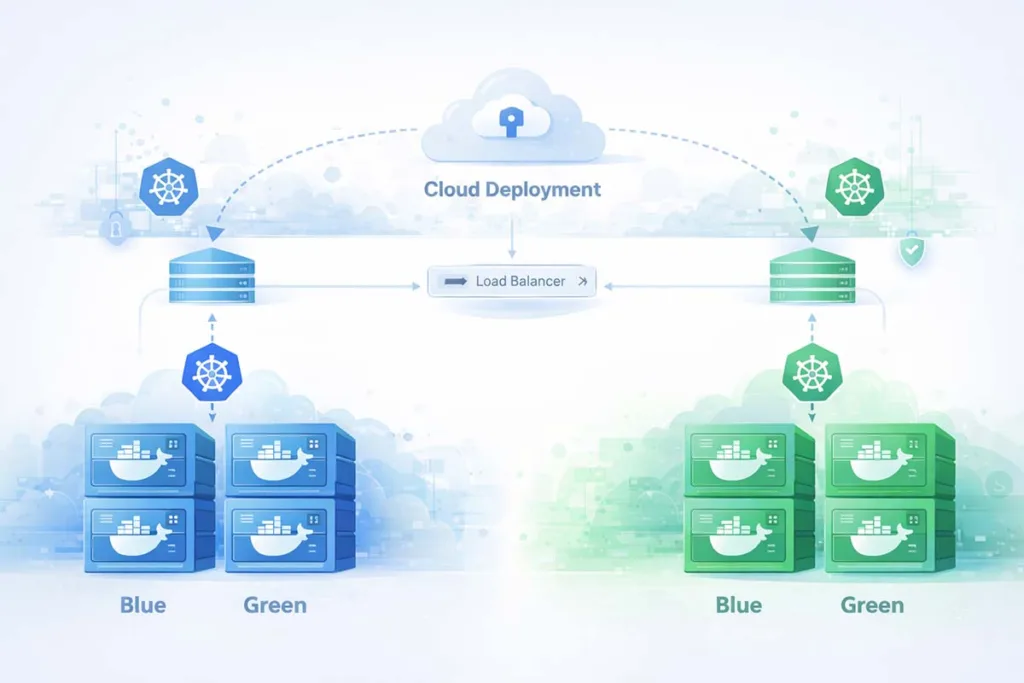
Modern software depends heavily on the cloud. It allows systems to scale fast and stay available under pressure. Mogothrow77 appears to follow a cloud-first approach for better flexibility and control.
Cloud Native Infrastructure Setup
The system likely runs on cloud infrastructure using containerization tools like Docker. Every service has its own packaging and deployment. Kubernetes manages these containers, ensuring smooth coordination and automatic scaling when traffic increases.
This setup improves high availability and keeps services running even if one part fails.
Deployment and Scaling Strategy
Deployment is handled through advanced methods such as blue green deployment. This allows updates without downtime by switching between two environments.
Key benefits include:
- Better load balancing across servers
- Faster release cycles
- Reduced risk during updates
This strategy ensures stable performance and continuous service availability.
Monitoring, Telemetry, and Performance Tracking
Once the system is live, constant tracking becomes essential. Without it, issues can go unnoticed and impact users. That is why strong monitoring systems are always in place.
Real Time Monitoring Systems
The platform likely uses tools that track CPU usage, memory consumption, and disk activity in real time. These metrics help identify slowdowns before they affect performance. Continuous system monitoring ensures everything runs smoothly under varying loads.
Telemetry and Performance Insights
Advanced telemetry collects data from different services and turns it into useful insights. This helps in performance tracking and quick anomaly detection.
Key focus areas include:
- Response time and system load
- Error rates and failures
- Resource utilization
These insights help maintain stability and improve overall system efficiency.
How Much Mogothrow77 Software Is Open Source?
Understanding ownership matters when analyzing any system. When looking at how much mogothrow77 software is open source, the answer is not fully clear. It appears to follow a mixed model.
Open-Source vs Proprietary Components
Some parts may rely on open-source components, such as libraries or frameworks used in development. These help speed up building and improve flexibility. However, the core system likely remains a proprietary system, where key features and logic are not publicly available.
This balance allows control while still benefiting from community driven tools.
Licensing and Access Limitations
Access is usually restricted under specific licensing rules. For example:
- Limited installation rights, often up to three devices
- No permission for reverse engineering
- Controlled access to APIs or SDKs
This approach protects the system while maintaining controlled usability.
Key Strengths and Limitations of the Build
Every system has strong points and weak areas. Mogothrow77 is no different. A balanced view helps understand its real capabilities.
Core Strengths
The system benefits from scalability, flexible modular architecture, and strong automation. Its use of cloud infrastructure improves uptime and performance. These features support growth and stable operation under heavy load.
Limitations to Consider
There are also gaps. Limited transparency and unclear documentation affect trust. Some internal processes remain hidden, reducing visibility into the full system design and long-term reliability.
Frequently Asked Questions
1. What is Mogothrow77 software used for?
Mogothrow77 appears to function as a modern software ecosystem designed to handle multiple operations within a single platform. It likely supports tasks such as data processing, API communication, and system monitoring. Its structure suggests a focus on performance, scalability, and automation rather than a single-purpose tool.
2. How mogothrow77 software is built in simple terms?
In simple terms, how mogothrow77 software is built involves combining modular architecture, backend services, and a frontend interface. User requests go through APIs, get processed by backend systems, and are stored in a database system. Everything runs on cloud infrastructure to ensure speed and reliability.
3. Is mogothrow77 software fully open source?
No, it does not appear to be fully open source. While it may use some open source components, the core system is likely a proprietary system. This means key features and internal logic are not publicly accessible.
4. What technologies are used in mogothrow77 software?
The system likely uses a mix of technologies, including React, Next.js, Python, Go, and Node.js. For infrastructure, tools like Docker and Kubernetes help manage deployment. These technologies improve performance, scalability, and system stability.
5. How does mogothrow77 ensure performance and reliability?
Performance is maintained through caching systems like Redis, efficient data flow, and strong system monitoring. Reliability comes from continuous testing, CI CD pipelines, and real-time telemetry that tracks issues before they impact users.
Conclusion
After breaking it down, the picture becomes much clearer. How mogothrow77 software is built follows a modern approach driven by modular architecture, microservices, and strong cloud infrastructure. Each layer, from frontend interface to backend services and database system, works together to deliver speed and stability.
The system relies heavily on automation, CI CD pipelines, and continuous system monitoring. These elements improve reliability and reduce failures. At the same time, limited transparency and partial proprietary system control leave some gaps. Overall, it reflects a scalable and performance focused design built on proven software engineering principles.
For more insightful articles, please visit Techroyall.