
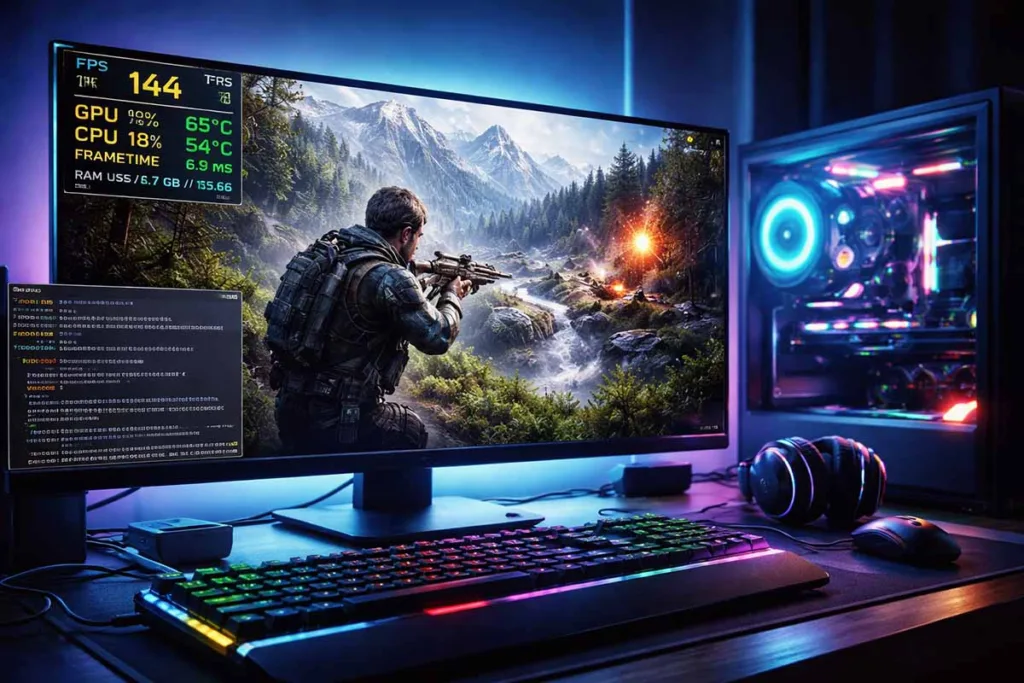

Linux gaming feels powerful. But it rarely works perfectly out of the box. You install a game and expect smooth gameplay. Instead, you see low FPS, stutter, or random crashes. This is where pblinuxgaming tech hacks are useful.
These are not tricks or cheats. They are smart system tweaks. They help you unlock real performance. With tools like Steam Proton, Wine, and Lutris, you can run Windows games on Linux. But without tuning, results stay inconsistent.
Simple changes can make a big difference. Using Vulkan, DXVK, and GameMode improves frame rate and reduces input lag. Tools like MangoHud help track frame pacing and GPU usage.
Once optimized, Linux gaming becomes fast, stable, and seriously enjoyable.
What Is Tech Hacks PBLinuxGaming and Why It Matters
Linux gaming gives you control that most systems do not offer. But that control comes with responsibility. Without proper setup, performance can feel unstable. That is why tech hacks pblinuxgaming matters for serious gamers.
Definition and Core Idea
Tech hacks pblinuxgaming refers to practical system tweaks that improve gaming performance on Linux. These tweaks focus on frame rate, frame pacing, and reducing input lag. Tools like Proton GE, ProtonDB, and Heroic Game Launcher help run Windows games smoothly through a compatibility layer.
Why It Matters for Gamers
Without optimization, even powerful systems struggle. With the right setup, Linux can deliver stable and fast gameplay. Technologies like Vulkan and DXVK improve rendering efficiency. As a result, games load faster and feel smoother during action.
5 Tech Hacks PBLinuxGaming That Give Instant Results
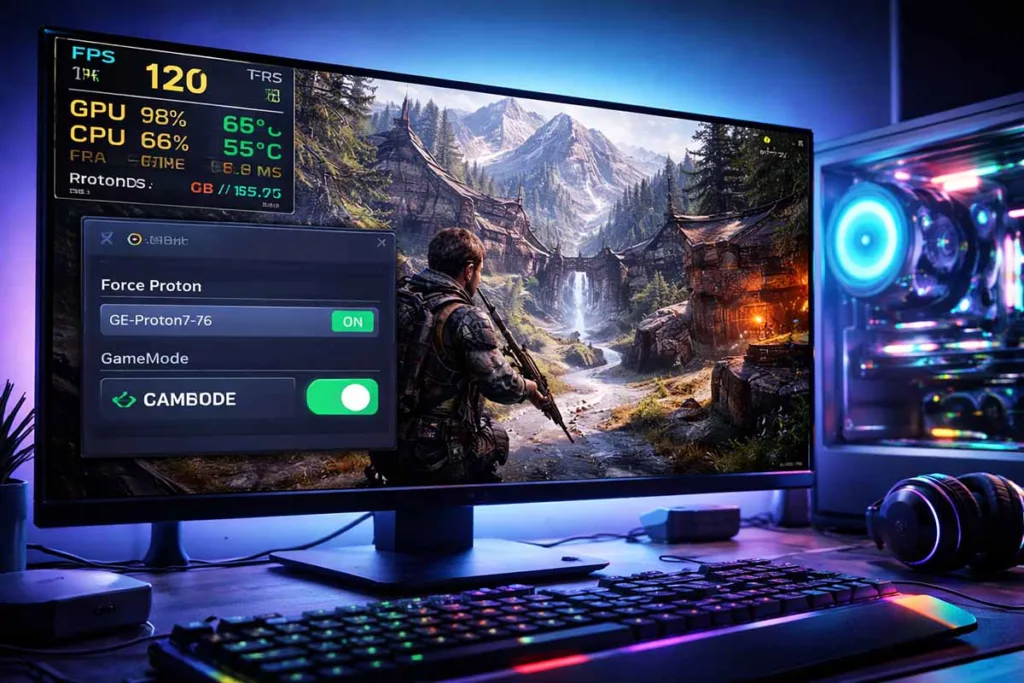
Not all tweaks give the same results. Some changes improve performance instantly. Start with these before trying advanced settings. They fix most common issues fast.
1. Update GPU Drivers (NVIDIA, AMD Mesa, Intel)
Old drivers limit performance. Install the latest NVIDIA proprietary drivers or Mesa 24.1 for AMD. This improves GPU utilization, reduces crashes, and boosts frame rate quickly.
2. Use Proton GE with Vulkan
Switch to Proton GE for better compatibility. Combine it with Vulkan, DXVK, and vkd3d-proton. This setup reduces micro stutter and improves game stability.
3. Enable GameMode
GameMode adjusts CPU priorities during gameplay. It minimizes background processes. This leads to smoother frame pacing and lower latency.
4. Install MangoHud
Use MangoHud to track FPS, temperatures, and usage. It helps identify performance drops and bottlenecks in real time.
5. Move Games to SSD
Running games on an SSD reduces loading time. It also improves shader cache handling and overall responsiveness.
Best Performance Tools for PBLinuxGaming
The right tools make Linux gaming easier and faster. Instead of random tweaks, you get control and visibility. These tools help improve frame rate stability, reduce stutter, and track performance in real time.
Game Optimization Tools
Tools like GameMode and Gamescope focus on system level performance.
- GameMode boosts CPU priority and limits background tasks
- Gamescope improves scaling and reduces inputlag in fullscreen games
Monitoring Tools
Tracking performance is critical.
- MangoHud shows FPS, frametime, and GPU usage
- LM Sensors monitors system temperatures to avoid thermalthrottling
Compatibility Tools
Running games smoothly depends on compatibility layers.
- Wine, Lutris, and Heroic Game Launcher improve game support
- Help manage Wineprefix and launch settings
Enhancement Tools
Extra tweaks can boost visual quality.
- vkBasalt adds sharpening
- FSR upscaling improves performance on low end GPUs
Advanced Tech Hacks PBLinuxGaming for Maximum FPS
Once basic tweaks are done, advanced tuning unlocks real power. These changes need care, but the results are worth it. You can improve frametimeconsistency, reduce microstutter, and push higher FPS.
Optimize CPU and System Settings
Your CPU plays a big role in gaming performance. Adjust the CPUgovernor to performance mode using cpufreq. This keeps clock speeds stable. Reduce background services to free resources. Tools like CoreCtrl help manage CPU and GPU behavior. This improves framepacing and lowers inputlag.
Tune Swappiness and Memory
Memory settings affect responsiveness. Set swappiness10 to reduce disk swapping. Enable hugepages2048 for better memory handling. These tweaks reduce delays and improve overall system speed during gaming sessions.
Use Low Latency Kernel
Scheduling is improved by moving to a low latency kernel, such as kernel 6.8.2. It reduces delays between CPU and GPU tasks. This leads to smoother gameplay and stable framerate in demanding titles.
Enable Vulkan Properly
Ensure Vulkan is fully active with updated drivers. It works with DXVK to translate DirectX calls efficiently. This reduces shadercompilation issues and improves GPU performance.
Fix Common Gaming Problems on Linux
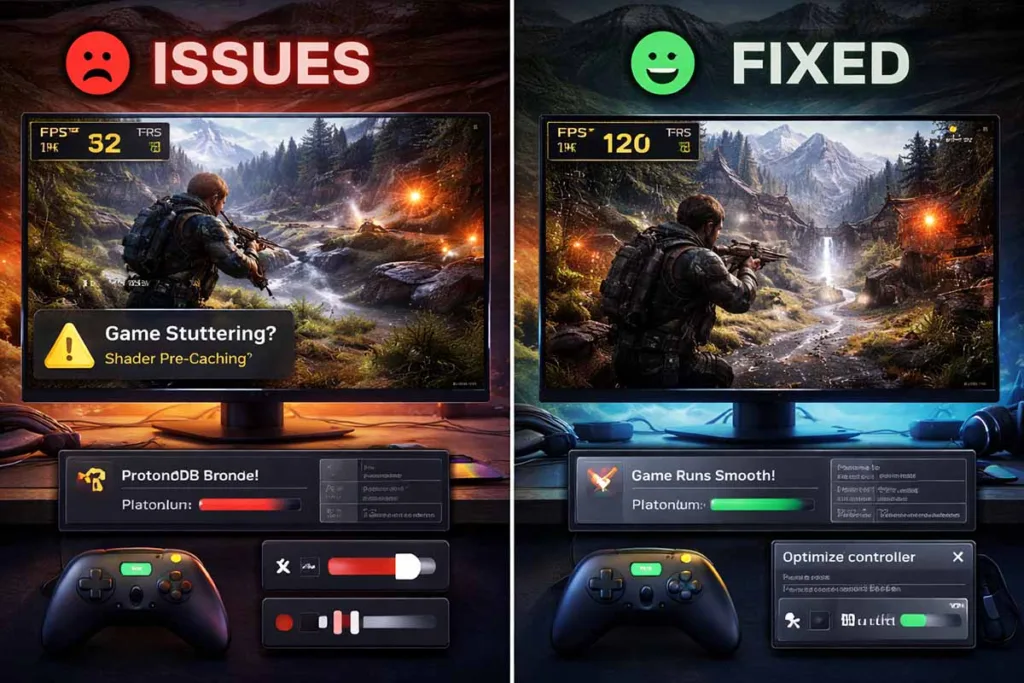
Even a well optimized setup can hit issues. Linux gaming is powerful, but small misconfigurations cause problems. The good part is most issues have quick fixes if you know where to look.
Low FPS or Stuttering
This is the most common issue. Start by checking GPU utilization and frametime using MangoHud. Update drivers and switch to Proton GE. Enable GameMode to stabilize frame pacing and reduce micro stutter.
Game Crashes or Black Screen
Crashes often link to compatibility layers. Try switching Proton versions and check reports on ProtonDB. Adjust launch options if needed. This helps fix startup failures and black screen errors.
Audio Crackle or Missing Sound
Audio issues break immersion. Install proper codecs and adjust system audio settings. The overall gaming experience is enhanced by fixing audio crackle.
Controller Not Working
Controllers may not map correctly. Use Steam Input for easy configuration. Tools like xboxdrv and ds4drv help manage advanced controller mapping.
Anti Cheat Issues
Multiplayer games can fail due to Easy Anti Cheat or BattlEye. Check compatibility before installing. Some games still limit Linux support.
Game Specific Tech Hacks PBLinuxGaming
Not every game behaves the same on Linux. Some titles need specific tweaks to run smoothly. These targeted fixes improve frametime consistency, reduce stutter, and boost overall gameplay stability.
Cyberpunk 2077
Use Proton GE for better compatibility. Enable Vulkan with DXVK to improve rendering. This setup reduces crashes and improves frame rate in busy scenes.
Elden Ring
Stutter often comes from shader compilation. Let shaders cache fully before gameplay. This improves frame pacing and removes sudden FPS drops.
Starfield
This game is CPU heavy. Optimize CPU settings and monitor usage with MangoHud. Better GPU utilization and CPU balance reduce lag.
Hades and Diablo IV
These games run well but benefit from tuning. Enable GameMode to improve responsiveness. This helps maintain stable performance during fast combat.
Best Linux Distros for Gaming Performance
Your distro choice affects gaming more than most people think. It controls driver updates, kernel support, and overall stability. Picking the right one helps improve frame rate stability and reduces setup issues.
Beginner Friendly
If you want a simple start, choose stable options.
- Ubuntu, Linux Mint, and Pop OS offer easy setup
- Great support for Steam Proton, drivers, and updates
These distros reduce compatibility problems and improve system responsiveness.
Performance Focused
Advanced users prefer rolling release systems.
- Manjaro, EndeavourOS, and Arch Linux provide newer packages
- Faster access to Mesa drivers and kernel updates
This helps boost GPU utilization and performance.
Special Case
The Steam Deck uses a custom Linux system. It is optimized for gaming with built-in Gamescope and strong compatibility layer support.
Hardware Based Optimization Guide
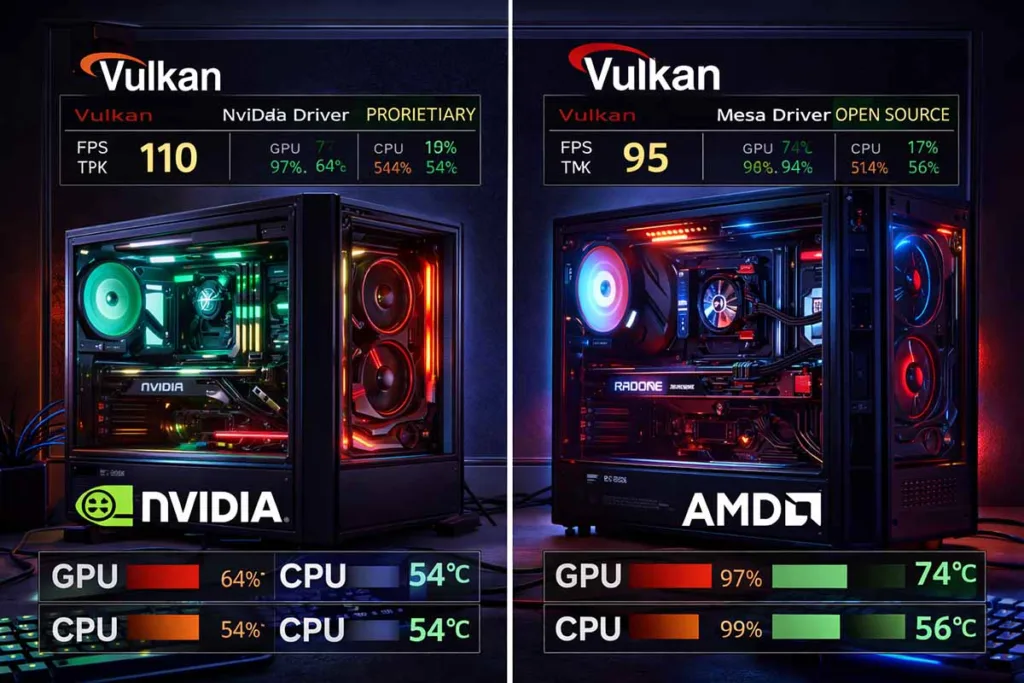
Your hardware decides how far you can push performance. The same tweaks do not work equally on every setup. That is why hardware specific optimization matters for better frame rate and smoother gameplay.
NVIDIA Users
Use the latest NVIDIA proprietary drivers for best results. Enable Vulkan to improve rendering efficiency. This reduces input lag and improves GPU utilization in demanding games.
AMD Users
AMD performs well with open-source drivers. Install updated Mesa drivers like Mesa 24.1. This boosts performance and improves frame pacing without extra tweaks.
Low End PCs
Lower resolution such as 1366 × 768 helps increase FPS. Use FSR upscaling to balance visuals and performance. This reduces stutter on weaker GPUs.
High End Systems
Enable high refresh gaming like 60 FPS or higher. Optimize GPU scheduling and cooling to avoid thermal throttling.
Quick Troubleshooting Checklist
Sometimes you do not need deep tweaks. A quick check can solve most issues. Use this fast checklist to fix common problems and restore smooth gameplay.
- Game not launching → switch Proton GE version or check ProtonDB
- Low FPS → update drivers and enable GameMode
- Stutter → clear shader cache and monitor frametime
- Controller issues → configure Steam Input properly
- Audio problems → fix codecs and system sound settings
- Anti cheat errors → verify Easy Anti Cheat compatibility
Pro Tips Most Guides Miss
Small tweaks often bring big gains. Most guides ignore these details, but they improve real performance. Focus on testing and consistency, not random changes.
- Use ProtonUp Qt to install and manage different Proton GE versions
- Test multiple builds to fix compatibility and reduce crashes
- Track 1 percent low FPS, not just average frame rate
- Keep your system updated, including kernel 6.8.2 and drivers
- Close background apps to improve system responsiveness
FAQ Section
1. What are tech hacks pblinuxgaming?
Tech hacks pblinuxgaming are practical system tweaks that improve Linux gaming performance. These include using tools like Proton GE, Vulkan, and GameMode to boost frame rate, reduce input lag, and fix compatibility issues with Windows games.
2. Can Linux really match Windows gaming performance?
Yes, it can. With proper setup, Linux can deliver smooth gameplay. Tools like DXVK, vkd3d-proton, and updated GPU drivers help achieve stable frame pacing and competitive FPS in many modern games.
3. Which tools are essential for PBLinuxGaming optimization?
Some must-have tools include:
- MangoHud for monitoring FPS and system stats
- GameMode for performance boosting
- Wine, Lutris, and Heroic Game Launcher for compatibility
These tools improve both performance and usability.
4. Why do some games still not work on Linux?
The main issue is anti-cheat systems like Easy Anti Cheat and BattlEye. Some developers do not enable Linux support. Checking compatibility on ProtonDB before installing helps avoid issues.
5. How can I fix stuttering and low FPS on Linux?
Start with basic fixes:
- Update drivers like Mesa 24.1 or NVIDIA proprietary drivers
- Enable GameMode
- Clear shader cache
- Use Proton GE
These steps usually improve frametime consistency and reduce stutter.
Conclusion
Still wondering if these tweaks are worth your time? The answer is simple. Yes, tech hacks pblinuxgaming do work when applied correctly.
Linux gaming can deliver smooth performance. With tools like Proton GE, Vulkan, and GameMode, you can improve frame rate, reduce input lag, and fix common issues. Results depend on your setup, drivers, and testing approach. Do not rush everything at once. Apply changes step by step. Track 1 percent low FPS and frametime for real results. With the right setup, Linux can match or even outperform other platforms.